Chinese Office-Automation Product Supplier

How to Detect Counterfeit U.S. Dollar Bills: A Practical Guide for Cash Handlers
June 3, 2026
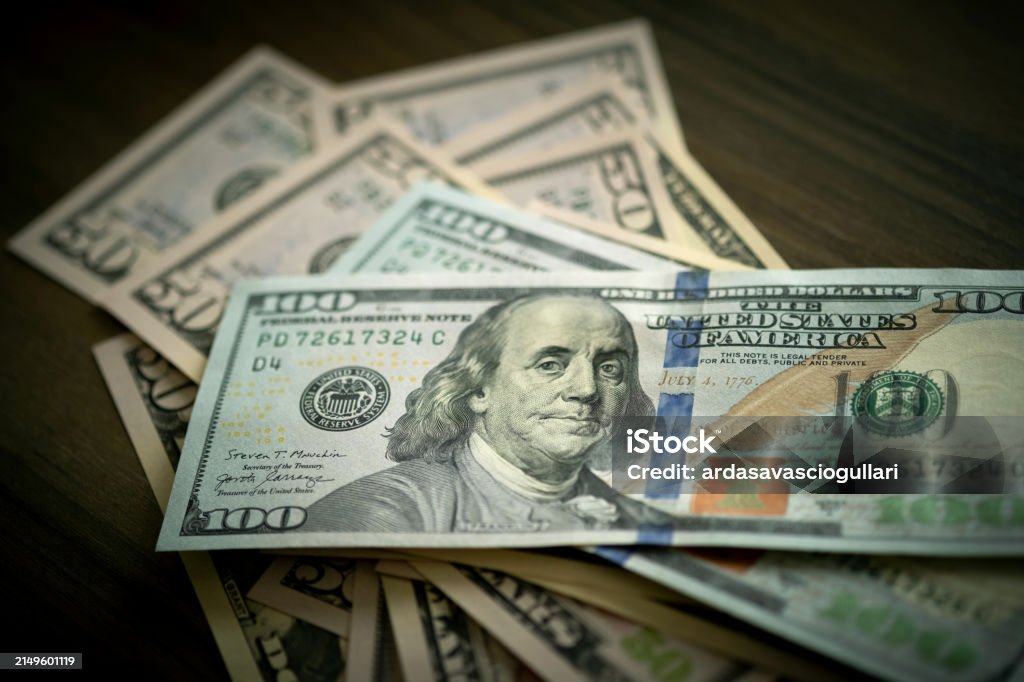
Counterfeit currency remains a challenge for retailers, banks, exchange offices, and businesses that handle cash transactions. While modern U.S. banknotes incorporate multiple security features, counterfeit bills continue to circulate and can cause financial losses if they are not identified promptly.
This guide explains the key methods for verifying U.S. dollar banknotes and reducing the risk of accepting counterfeit currency.
1. Feel the Paper and Printing
Genuine U.S. currency is printed on a unique paper composed primarily of cotton and linen. The texture is noticeably different from ordinary office paper.
Authentic banknotes also feature raised intaglio printing. By gently running your fingertips across the portrait, numerals, or other printed areas, you should be able to feel a slightly textured surface.
Counterfeit bills often feel smoother, thinner, or unusually stiff.
2. Examine the Print Quality
U.S. banknotes are produced using highly sophisticated printing techniques that are difficult to replicate.
When inspecting a bill, look for:
- Sharp and clear borders
- Well-defined portraits
- Crisp Federal Reserve and Treasury seals
- Consistent ink density
Blurry lines, fuzzy text, or uneven printing may indicate a counterfeit note.
3. Check the Embedded Security Thread
Most modern U.S. banknotes include an embedded security thread that becomes visible when held up to light.
The thread contains microprinted text identifying the denomination and glows under ultraviolet (UV) light.
Different denominations display different UV colors:
- $5 – Blue
- $10 – Orange
- $20 – Green
- $50 – Yellow
- $100 – Pink
If the thread is missing, incorrectly positioned, or displays the wrong denomination, the bill should be treated as suspicious.
4. Verify the Watermark
Hold the bill against a light source and look for the watermark embedded in the paper.
The watermark should match the portrait displayed on the note and be visible from both sides of the bill.
Because the watermark is integrated into the paper during manufacturing, it cannot be reproduced effectively by standard printers.
5. Look for Color-Shifting Ink
On higher-denomination U.S. banknotes, certain numerals are printed using color-shifting ink.
When the bill is tilted, the color changes noticeably depending on the viewing angle.
This feature is especially useful for quick authentication during daily cash handling operations.
6. Inspect Microprinting
Many genuine U.S. banknotes contain extremely small printed text around the portrait, borders, and security thread.
Under magnification, the text should appear sharp and readable.
Counterfeit notes often show blurred lines or solid patterns instead of clear microprinting.
7. Review the Serial Numbers
Check that:
- Serial numbers are evenly spaced
- The numbers are aligned correctly
- The ink color is consistent
- Multiple suspicious notes do not share identical serial numbers
Duplicate serial numbers are a strong indication of counterfeit currency.
8. Use UV and Magnetic Detection Equipment
Manual inspection is important, but businesses that process large volumes of cash should also use professional detection equipment.
Modern counterfeit detection devices can verify:
- UV fluorescence
- Magnetic ink characteristics
- Infrared security features
- Size and thickness consistency
Combining human inspection with automated authentication significantly improves detection accuracy and operational efficiency.
Common Misconceptions About Counterfeit Detection
Myth: Ink Smearing Means the Bill Is Fake
Not necessarily. Genuine banknotes can sometimes show ink transfer or wear after extensive circulation.
Myth: Counterfeit Detection Pens Are Foolproof
Detection pens can identify some counterfeit notes printed on ordinary paper, but they cannot detect all sophisticated counterfeits. They should be used as a supplementary tool rather than the sole verification method.
Myth: Counterfeiters Frequently Target $1 and $2 Bills
In reality, counterfeiters typically focus on higher denominations because they offer greater financial return.
Best Practice: Use Multiple Verification Methods
No single security feature should be relied upon exclusively. The most effective approach is to combine:
- Touch
- Visual inspection
- UV verification
- Security feature examination
- Automated detection equipment
By applying multiple layers of verification, businesses can significantly reduce counterfeit risks and improve cash-handling security.
Conclusion
Modern U.S. banknotes contain numerous advanced security features designed to prevent counterfeiting. By understanding how to inspect paper quality, security threads, watermarks, color-shifting ink, and microprinting, cash handlers can identify suspicious notes more effectively.
For organizations that process large volumes of cash, professional currency authentication equipment provides an additional layer of protection and helps ensure accuracy, efficiency, and compliance in daily operations.
Maybe you like also
Copy©2013 | Kingwae Office Machinery Co., Ltd | Sitemap